
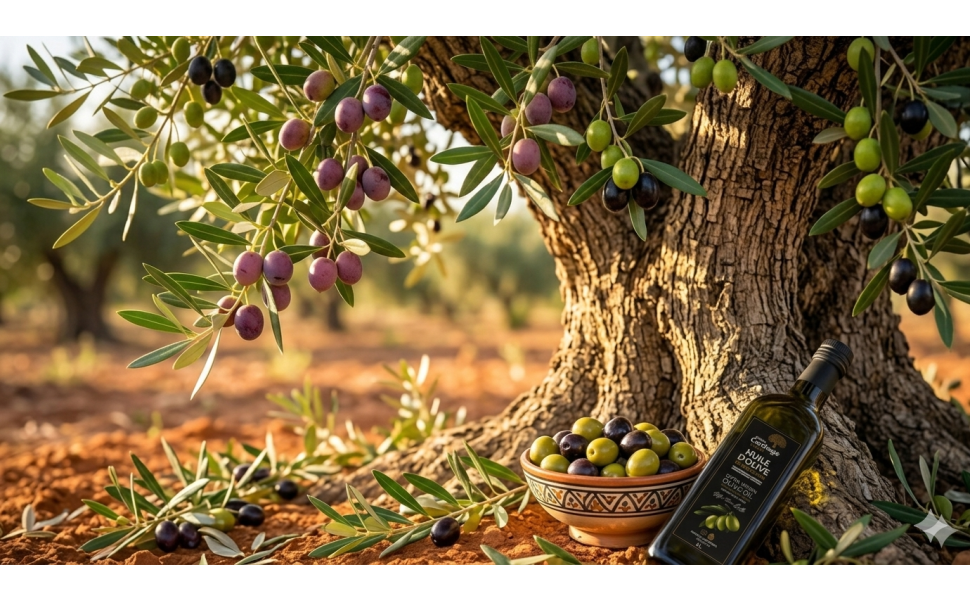
Varieties of Tunisian olives: Understanding the richness of "green gold"
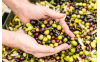
In Tunisia, olive oil is not a culture; she is theSoul of a people, a heritage woven over more than three millennia. From the green north to the doors of the desert, the olive tree shapes the landscape and the identity of this Mediterranean country. If thetunisian olive oil extra virgin it is now a worldwide reference, it is not only through its generous sunshine or know-how transmitted from generation to generation. The secret lies in unique native biodiversity.
Tunisia does not produce in quantity; she cultivates the quality. Behind each bottle are hiding a variety of terroirs and native local varieties that create a palette of flavors ranging from the sweetest to the fierce. Let's discover together the main varieties of Tunisian olives, These jewels that make every tasting an authentic and millennial experience.
1. Chemlali: The Queen of the Tunisian Olivier (mature mature fruity)
It is the emblematic variety of Tunisia, covering nearly 80% of the national orchard. Originally from the arid regions of the center and the south (like Sfax or Sidi Bouzid), the Chemlali (or SFAX Chemlali) is a small olive, elongated shape, which produces generous amounts of a precious juice.
-
Sensory profile (mature fruity): Chemlali extra virgin olive oil is renowned for its softness. It is a mature mature fruity, with subtle aromas of fresh almond, mature apple, and sometimes red fruits. It is extremely balanced, with a very discreet bitterness and pungent, making it an ideal introduction oil.
-
Culinary use: Its softness and ripe fruity make it the inescapable ally of daily cuisine. It excels in theseasoning basic (pasta, rice, grilled meats) and the cooking, including pastry. It is also valuable in assemblies to soften more intense oils.
2. Chetoui: the aromatic force of the north (the ardent green fruity)
From northern Tunisia (like KEF, Beja or Jendouba), the Chetoui is a variety of olive tree with a well-tempered character, perfectly adapted to the hills of the Atlas. The olive is greater than the chemlali, of oval shape and very recognizable by its persistent green dress.
-
Sensory profile (green fruity): Chetoui oil is intense. It is a pronounced green fruity, complex and herbaceous, with aromas of fresh cut grass, artichoke, and green almond. It is marked by an bitterness and a string (ardness) more intense, witnesses of its exceptional content in polyphenols, powerful antioxidants.
-
Culinary use: Its aromatic force makes it the ally of the dishes of character. It sublimates carpaccios of beef, grilled vegetables, tomato salads and Mediterranean sauce dishes. It is also highly appreciated in final net just before serving, to enhance the taste of soup or fish.
3. Other varieties of Tunisian olives: terroirs to discover
Although dominated by the duo Chemlali-Chetoui, the Tunisian orchard houses about fifty native varieties, each with its unique profile:
-
Oueslati: Originally from the Kairouan region, it gives a soft and balanced oil, with fruity and floral aromas.
-
Zalmati: Very present in the south (Djerba, Zarzis), she is sweet and rich in benefits for health, with fresh almond notes.
-
Gerboui: More present in the North, it gives a soft and unctuous oil, with aromas of ripe fruit.
Each of these varieties of Tunisian olives is the expression of a unique terroir, a mediterranean arid or sub-humid climate, and millennial know-how.
-> choose an extra virgin tunisia olive oil, like that of the Golden Carthage, It is to make the choice of authenticity, diversity and an exceptional product, resulting from a Millennium Carthaginian tradition.

 EN
EN
 FR
FR
 Arabe
Arabe
Leave a Reply Cancel Reply